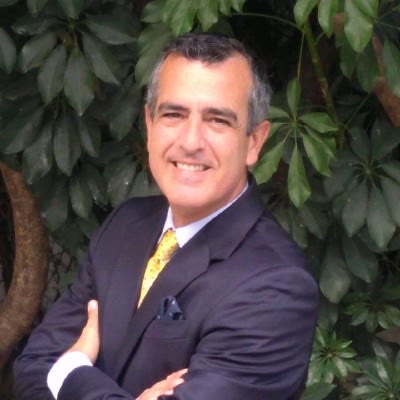
Nuestra mirada para la nueva campaña de Papa Industria.
La industria mundial de la papa bastón llega a la campaña 2026/27 con perspectivas favorables, aunque dentro de un escenario bastante más exigente. El consumo continúa creciendo de la mano de las cadenas gastronómicas, la urbanización y una mayor presencia de alimentos congelados en los hogares. Al mismo tiempo, la capacidad de procesamiento se ha expandido en distintas regiones y eso obliga a toda la cadena a trabajar con mayor precisión sobre los costos, la calidad y la planificación.
Durante muchos años, Europa y América del Norte concentraron buena parte de la producción y el comercio mundial. Pero este mapa empieza a cambiar. Asia, el norte de África y Sudamérica vienen ganando participación, mientras la industria intenta acercar sus plantas a los mercados de consumo. Producir regionalmente permite reducir fletes, acortar los ciclos logísticos y disminuir la exposición a crisis comerciales o interrupciones en las cadenas de suministro.
Sudamérica aparece en ese proceso como una región con buenas posibilidades. Brasil reúne escala, una extensa red gastronómica y un consumo que todavía tiene espacio para crecer. La Argentina, por su parte, cuenta con experiencia productiva, diversidad de ambientes y cercanía con los principales mercados del Cono Sur. Las inversiones realizadas durante los últimos años fortalecieron la capacidad industrial y ampliaron la demanda potencial de materia prima.
Esa oportunidad, sin embargo, no debería interpretarse como una invitación a crecer de cualquier manera. La expansión de la industria también aumenta la competencia por los campos con aptitud para el cultivo, el agua, la semilla, los equipos de riego, los contratistas, la maquinaria y el capital humano. La fábrica necesita volumen, pero necesita sobre todo previsibilidad. La materia seca, el tamaño, el color, la sanidad y la fecha de entrega son tan importantes como las toneladas cosechadas.
Hemos aprendido, de la propia experiencia, que una tonelada producida no siempre es una tonelada comercial. También que aumentar la superficie antes de consolidar los equipos, la logística y los procesos puede generar más dificultades que ventajas. La papa para industria requiere una inversión importante, seguimiento permanente y capacidad para tomar decisiones en momentos muy concretos. Un retraso en la siembra, en el riego, en una aplicación o en la cosecha puede afectar el resultado de toda la campaña.
Por eso, el contrato tendrá durante 2026/27 tanta importancia como el precio. Será necesario comprender con claridad los volúmenes comprometidos, las especificaciones de calidad, las bonificaciones y descuentos, la provisión de semilla, las ventanas de entrega, las condiciones de almacenamiento y la distribución de los riesgos. Un buen valor por tonelada puede perder atractivo si aparecen costos no previstos, si se prolonga la conservación o si parte de la producción no alcanza los parámetros requeridos.
El clima será otro factor determinante. La posibilidad de un ciclo bajo la influencia de El Niño podría mejorar la disponibilidad de agua en algunas zonas, pero también aumentar los riesgos de excesos hídricos, enfermedades y dificultades operativas. En el sudeste bonaerense, una primavera o un verano demasiado húmedos pueden complicar el ingreso a los lotes y retrasar la cosecha. En las zonas irrigadas, seguirán siendo centrales la disponibilidad de agua, las temperaturas y la oportunidad de cada labor.
La experiencia también nos ha mostrado que un año lluvioso no es necesariamente un buen año. Importa cuánto llueve, pero también cuándo lo hace, sobre qué tipo de suelo y en qué estado encuentra al cultivo. La capacidad de drenaje, la infraestructura y la rapidez para responder marcan las diferencias entre los productores.
La macroeconomía argentina podría ofrecer condiciones algo más previsibles que en campañas anteriores. Una inflación menor, tasas en descenso y cierta estabilidad cambiaria facilitarían la planificación. Aunque la producción de papa requiere financiar durante muchos meses alquileres, semilla, fertilizantes, fitosanitarios, riego, combustible, maquinaria y personal. Incluso en una economía más estable, el capital de trabajo seguirá siendo uno de los principales desafíos.
A esto se sumará el proceso electoral de 2027, que puede introducir volatilidad cambiaria, mayor cautela bancaria y postergación de algunas decisiones. En ese contexto, la administración financiera será casi tan importante como la agronomía. Habrá que cuidar la liquidez, evitar descalces entre los costos y los ingresos y procurar que las condiciones financieras acompañen los plazos reales del cultivo.
El escenario más probable parece ser el de una demanda en aumento, aunque con márgenes que deberán construirse cada vez con mayor eficiencia. Quienes cuenten con buena información, equipos consolidados, acceso al agua, capacidad financiera y relaciones contractuales estables estarán mejor preparados. Para el resto, el riesgo estará en asumir compromisos por encima de su capacidad operativa o financiera.
En Landkraft creemos que una parte importante de estos desafíos debe abordarse compartiendo conocimiento. Por eso tenemos previsto lanzar un espacio destinado a reunir experiencias, difundir buenas prácticas y ofrecer acompañamiento a nuestros asociados en la producción. La idea no es presentar recetas únicas, porque cada zona y cada establecimiento tienen sus particularidades, sino compartir lo aprendido y facilitar el acceso a herramientas que permitan tomar mejores decisiones en conjunto. Siempre con el objetivo de cuidar y aprovechar al máximo el potencial de cada suelo, las rotaciones más convenientes y los tiempos necesarios.
La campaña 2026/27 puede representar una nueva etapa para la papa industria en la Argentina. Existen inversiones, mercados cercanos, conocimiento agronómico y productores con vocación de crecer. Nuestro desafío será hacerlo con prudencia, fortaleciendo los procesos antes que las hectáreas y entendiendo que, en una cadena cada vez más profesional, la confianza se construye entregando calidad y cumpliendo los compromisos.
Santiago Lucero Torres Presidente de Landkraft S.A.